DIGITIZING.USDigitizing • Vector • Artwork
USABADGE.COM Woven & Embroidered Patches
📞 401-655-1153✉️ mail@digitizing.usClaim 50% Off — Free Signup50% Off — Sign Up
← All posts⚠️ Avoiding Costly Mistakes

Why does cheap digitizing usually cost you more?
Saachi·Feb 18, 2026·5 min read
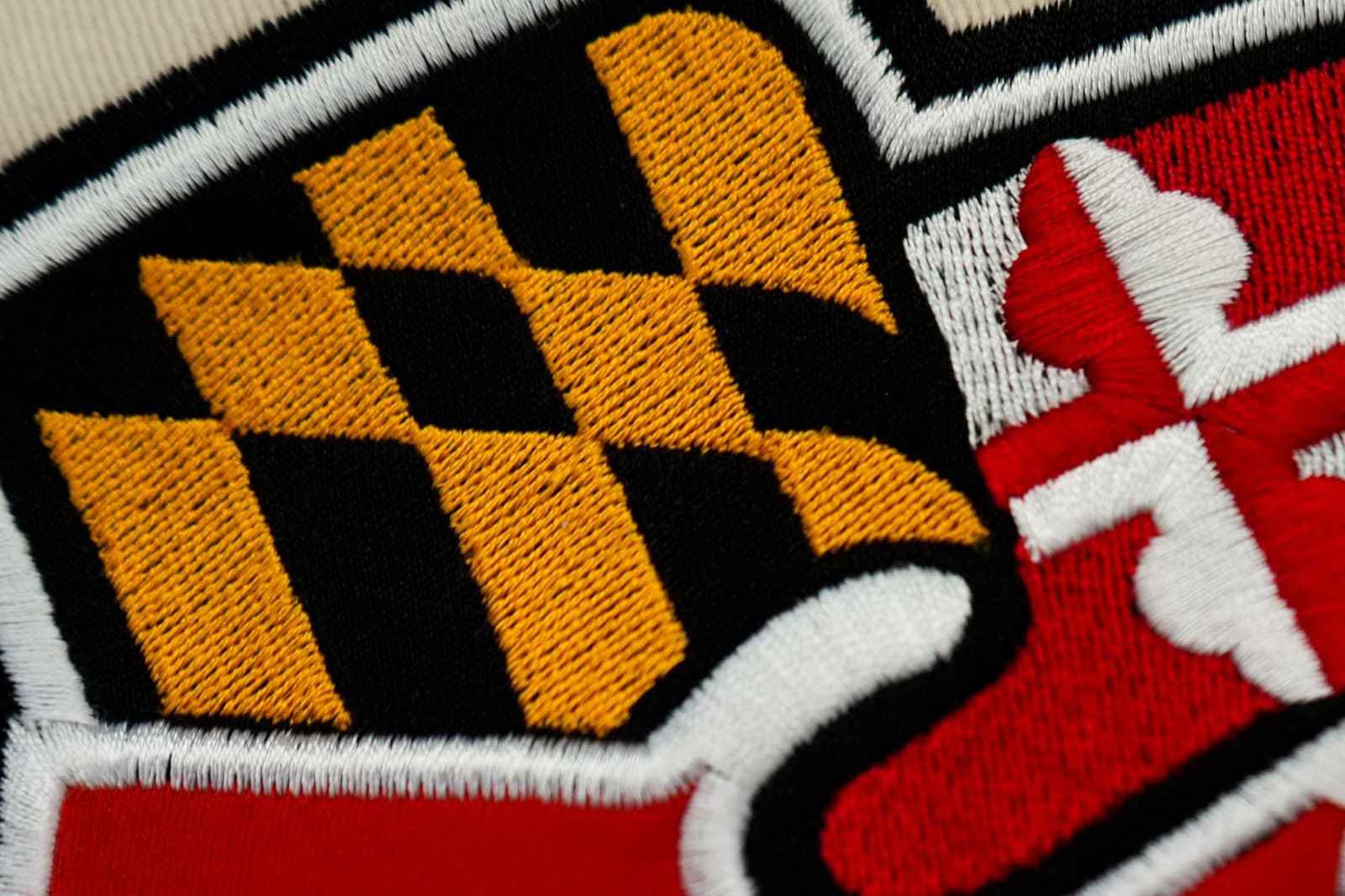
Macro of dense, consistent fill-stitch embroidery on tan fabric, showing the kind of clean digitizing work that doesn't cause production problems
Short answer

A discount $8 digitizing file often costs you 5× more in the end — through thread breaks that eat machine time, ruined garments you have to replace, and rework that delays the order. We've seen the same pattern enough times to give it a name: the cheap file tax.

Every month we get calls from shop owners who tried a budget digitizing service and are now dealing with the fallout. Thread breaks every 300 stitches. Registration that's off by 3mm. Satin stitches pulling through the fabric. It's a pattern so consistent it practically has a name: the cheap file tax.

Here's the math most people don't run: a simple left chest design costs $8 from a discount service. That same design runs on a 6-head machine and breaks thread 4 times. Each break costs you 3-4 minutes to rethread and restart. On a 6-head, you've lost 20+ minutes of production time. At even $30/hour machine value, that's $10 in lost time — already more than the difference in file cost.

Then there's the garment. A Carhartt hoodie runs $55-65 wholesale. If the file has density issues and pulls the fabric, or if poor underlay causes puckering you can't press out, that garment is gone. One ruined jacket and you've spent 5x what the 'expensive' digitizer would have charged.

The deeper issue is that most budget services use auto-digitizing software with human cleanup — they're not hand-digitizing. Auto-punch can't account for fabric behavior, pull compensation, or the specific characteristics of your machine. A file that looks fine on screen can destroy production on an old Barudan.

We test every file on real machines before it leaves us. Yes, that costs more. But when you press start, you know it's going to run.
Tags:#pricing#quality#production#thread-breaks#cheap-file-tax#auto-digitizing
This may also help you

Curated next steps

🧢 Caps & Hats · Article
How do you get 3D puff embroidery right?
→ Site page
Embroidery Digitizing Service
See exactly how we test files before they ship.
→ Site page
How We Test
Sew-out proof process on Barudan and Happy machines.
→ Site page
Pricing
Flat rates, no per-stitch surprises.
People also read

Same topic, different angles

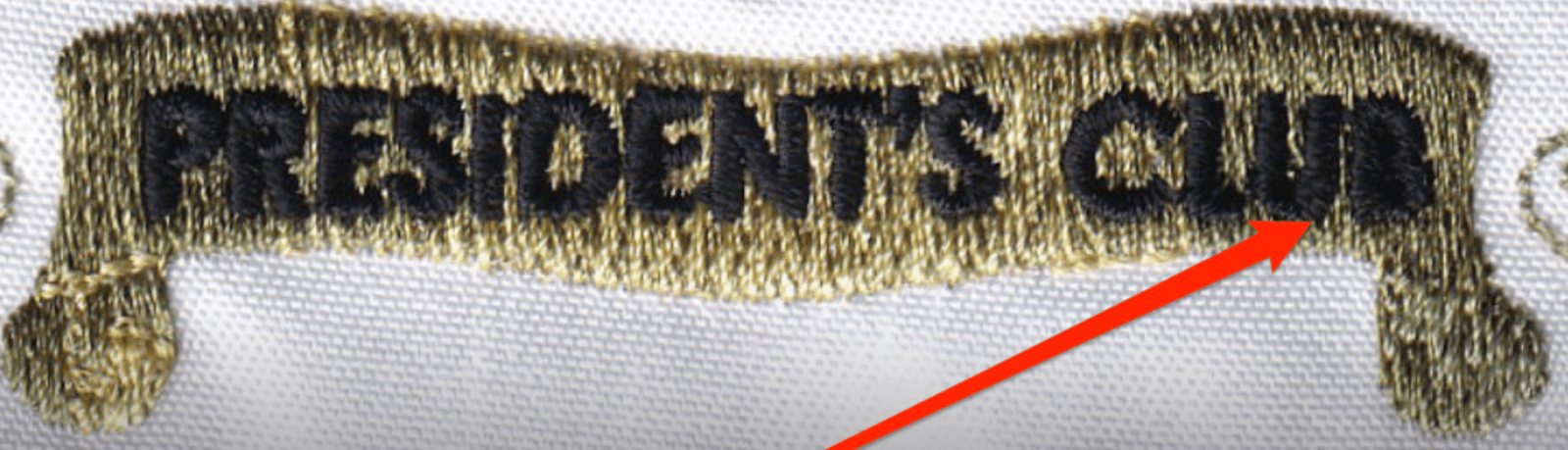
Small embroidered 'President's Club' text with the letters closed up — the bowls filled with thread and the word reading as a smudge
🔍 Small Text & Detail5 min read

Why do small embroidery letters close up — and why don't most digitizers catch it?

Small embroidery letters "close up" when the open spaces inside them fill with thread and the word turns into a dark blob. The catch: it usually looks fine on screen and only shows up once the design is actually stitched on fabric. A digitizer who never sews out a sample won't see it coming — so it lands on your machine instead. Because we sample and sew-out designs, and have done hundreds of thousands of them, we catch it before it ever reaches you.

SaachiMay 31, 2026
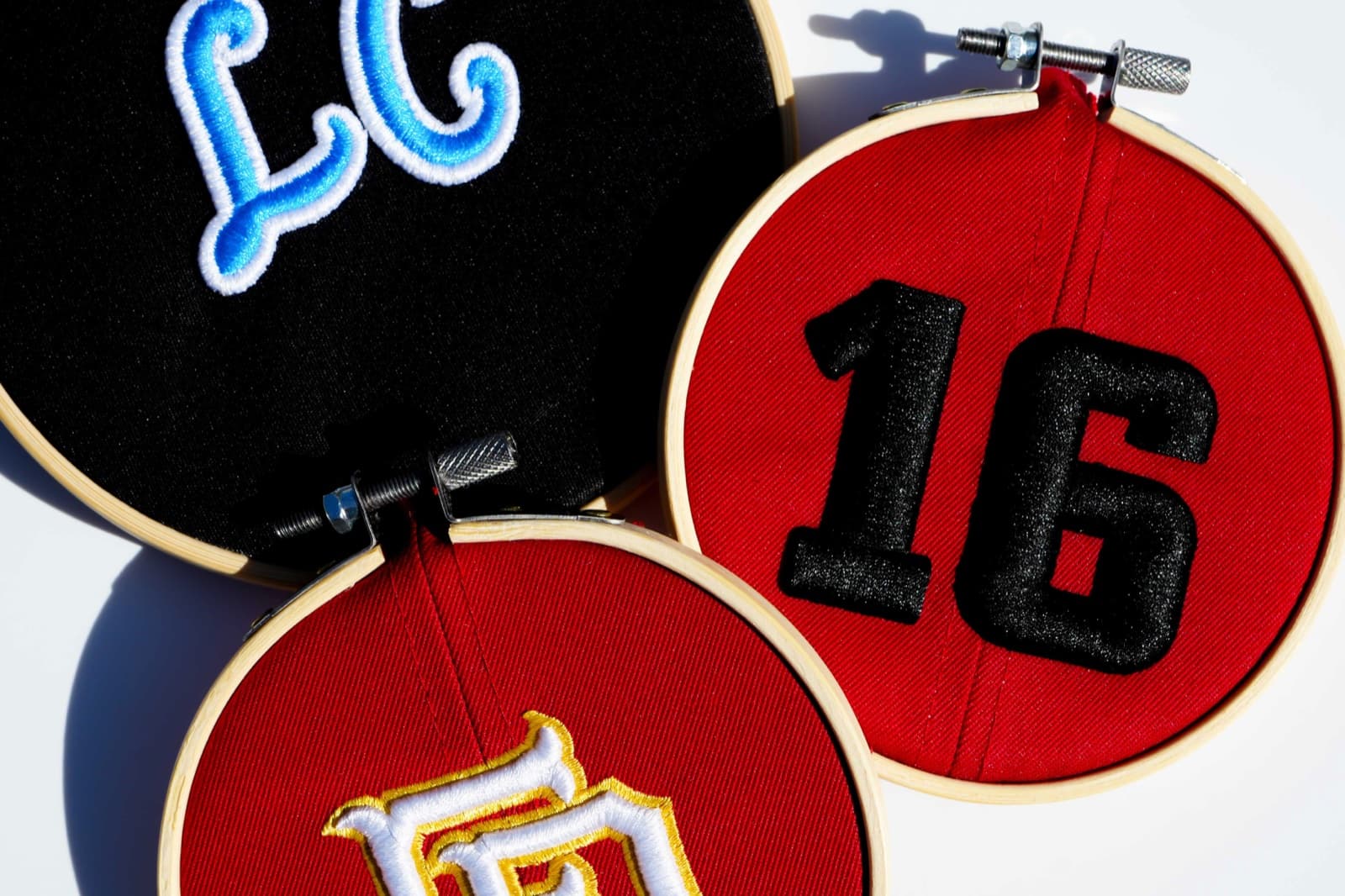
Macro close-up of 3D puff embroidery showing dense satin stitches built up over foam underlay, with the raised dimensional effect clearly visible
🧢 Caps & Hats8 min read

How do you get 3D puff embroidery right?

3D puff creates a raised, dimensional effect by stitching over foam placed on top of the garment. Done right, it looks premium and survives washing; done wrong, the foam collapses and the stitches pull through. Bold, simple designs work; fine detail and small text do not.

SaachiJan 30, 2026
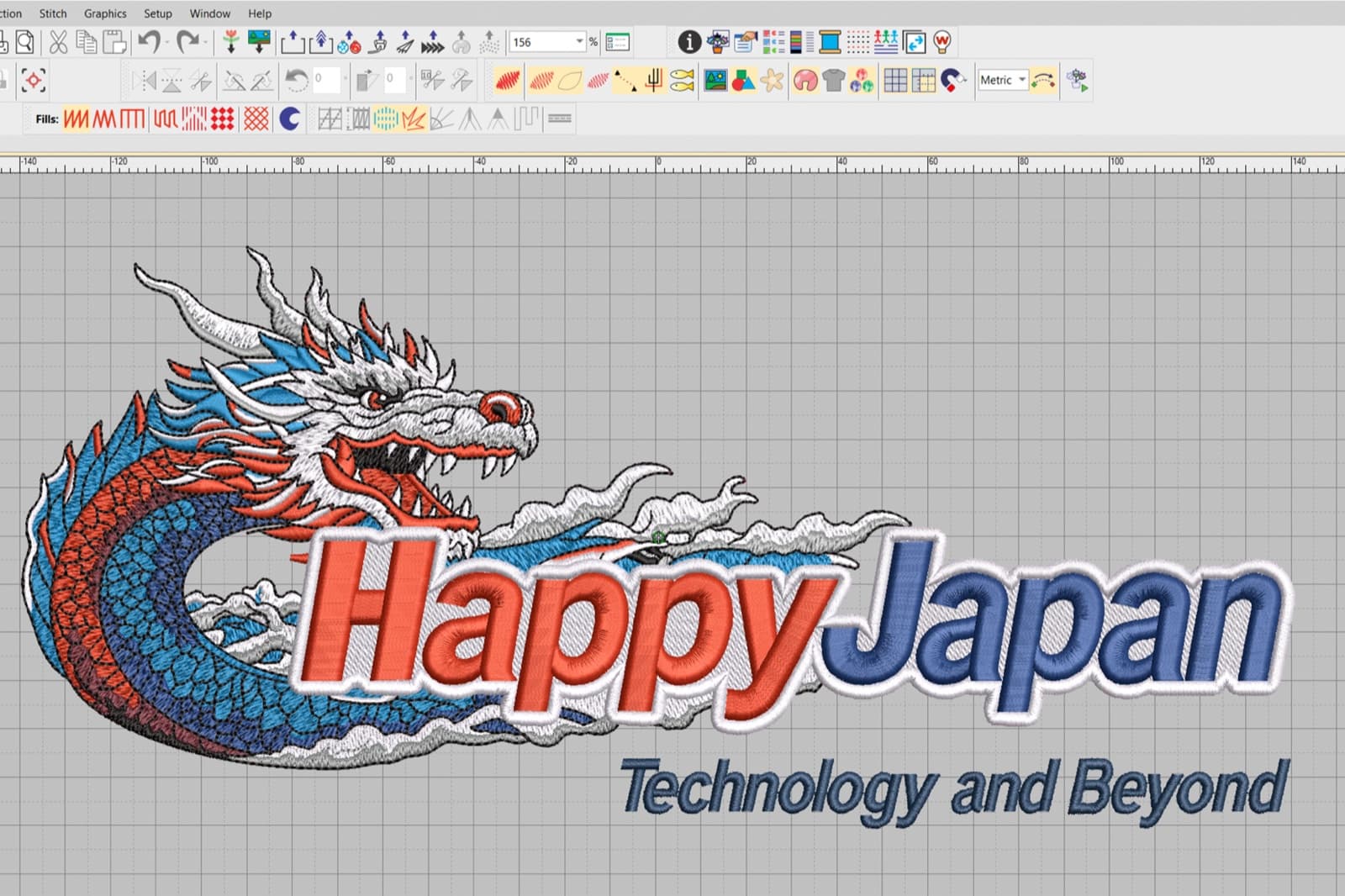
Screenshot of Wilcom-style digitizing software showing a dragon logo as colored stitch paths in the workspace — the kind of file view that gets exported into formats like DST or PES
📋 Before You Order6 min read

What's the difference between DST, PES, JEF, and 40+ other embroidery file formats?

DST is the closest thing embroidery has to a universal format — most commercial machines accept it. Brother machines need PES. Janome uses JEF; Husqvarna and Pfaff use VP3. The format itself does not affect stitch quality (digitizing does); but using the wrong one means your file simply won't load.

SaachiJan 12, 2026