What's the difference between DST, PES, JEF, and 40+ other embroidery file formats?
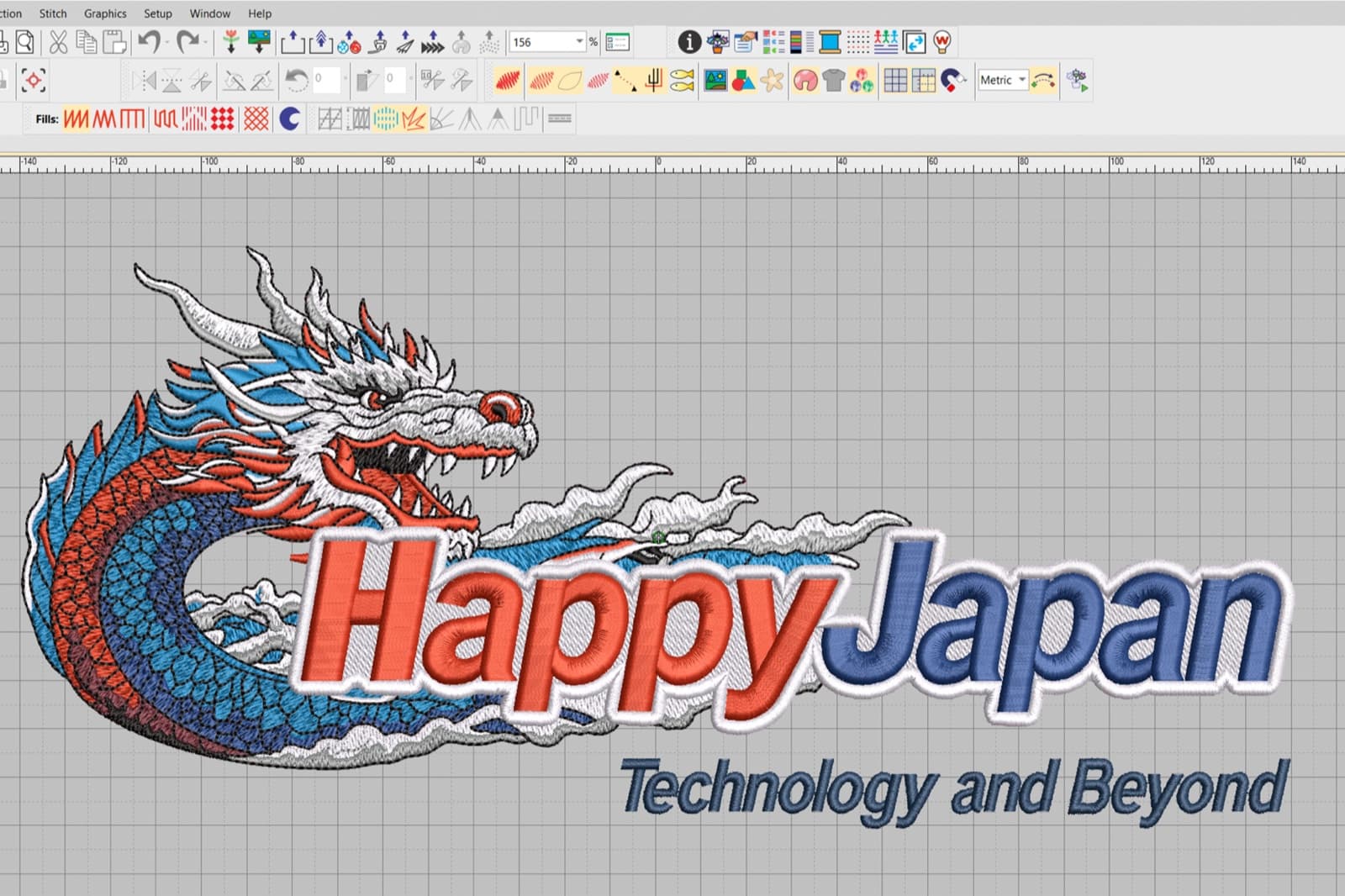
DST is the closest thing embroidery has to a universal format — most commercial machines accept it. Brother machines need PES. Janome uses JEF; Husqvarna and Pfaff use VP3. The format itself does not affect stitch quality (digitizing does); but using the wrong one means your file simply won't load.
Every embroidery machine reads a specific stitch file format — essentially a list of instructions telling the needle where to move, when to change color, and when to trim. The format depends on the machine brand and model, and using the wrong one means the file won't load.
DST (Tajima) is the most universal format. It's the closest thing embroidery has to a standard — most commercial machines and many consumer machines can read it. If you're not sure, start with DST.
PES is Brother's format. If you run a Brother BAS, PR, or VE series machine, you need PES. Brother machines typically won't load DST files, or will load them with issues. The current standard is PES version 6, though older Brother machines may need version 4 or 5.
JEF is Janome's format. VP3 is used by Husqvarna Viking and Pfaff. HUS is an older Husqvarna format. SEW is another Janome format for older machines. XXX is Singer.
The file format itself doesn't affect quality — the digitizing does. A well-digitized file will run clean in any format. A badly-digitized file will have problems in DST, PES, or any other format you try.
When you order from us, tell us your machine brand and model and we'll deliver the correct format. If you run multiple machines from different brands, we'll include all the formats you need at no extra charge. We support 40+ formats.